
What Are Content Credentials? A Guide to Digital Provenance
Follow a photo from capture through editing and export to see what signed Content Credentials reveal, what can be lost, and what they cannot prove.
Explore clear, practical guides to AI, programming, networking, computing history, devices and the technology we use every day.
Searches titles, summaries and the full text. Press / to jump here.
138 articles

Follow a photo from capture through editing and export to see what signed Content Credentials reveal, what can be lost, and what they cannot prove.

A striking image or video can be real, generated, edited, or simply mislabeled. Follow a practical source-checking workflow before sharing it.

Build a weekly report from Slack or Teams, GitHub, Jira and documents without inventing progress. Follow a source-linked agent workflow and copy a ready-to-use prompt.

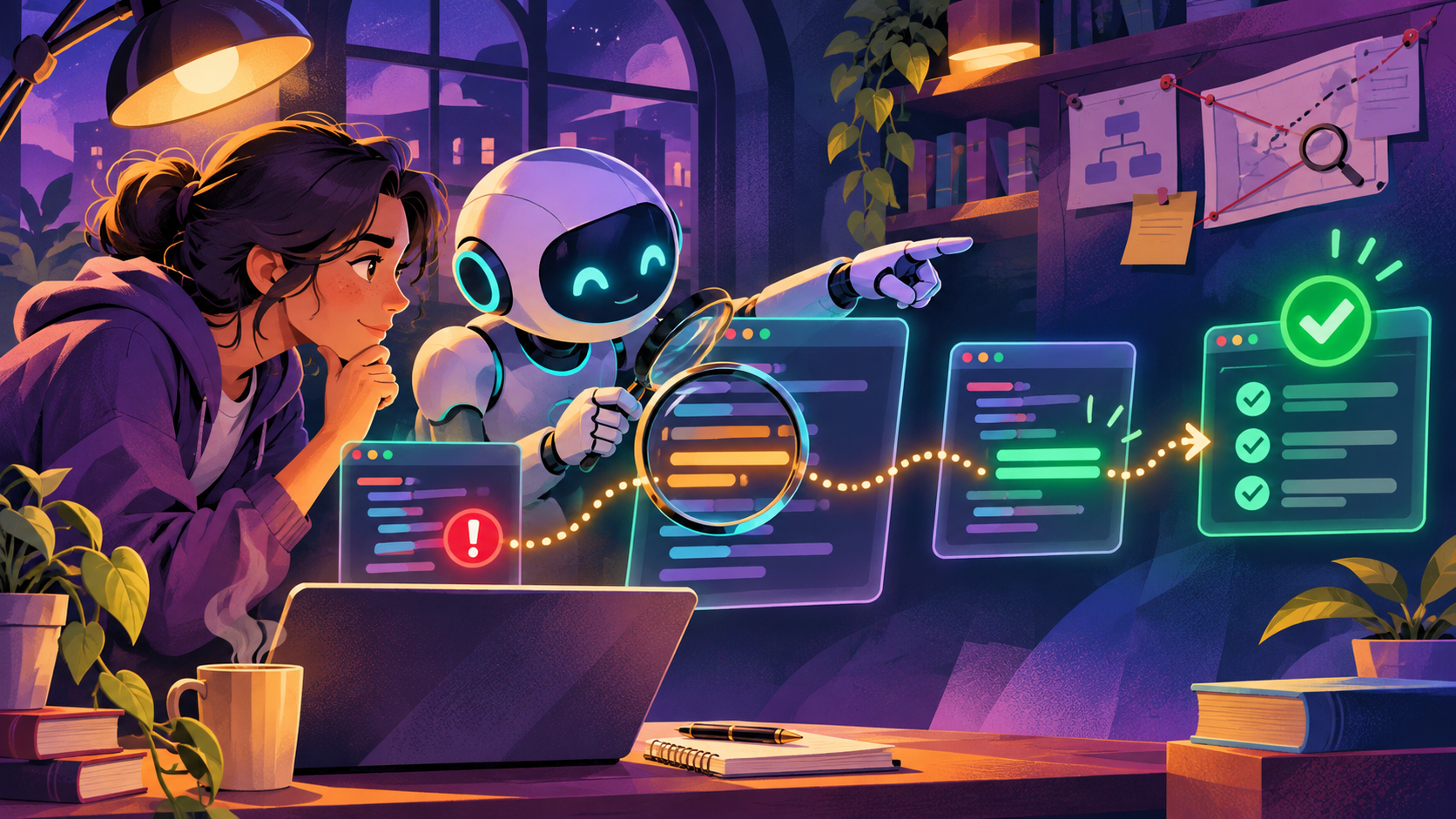
Give an AI agent the right repository, browser and operational context. Trace a bug from the UI through code, logs and tests to a reviewable fix.

Where does an AI task actually run—on your device or on a server? Use an offline travel-photo example and a decision map to weigh privacy, capability, network needs, and battery.

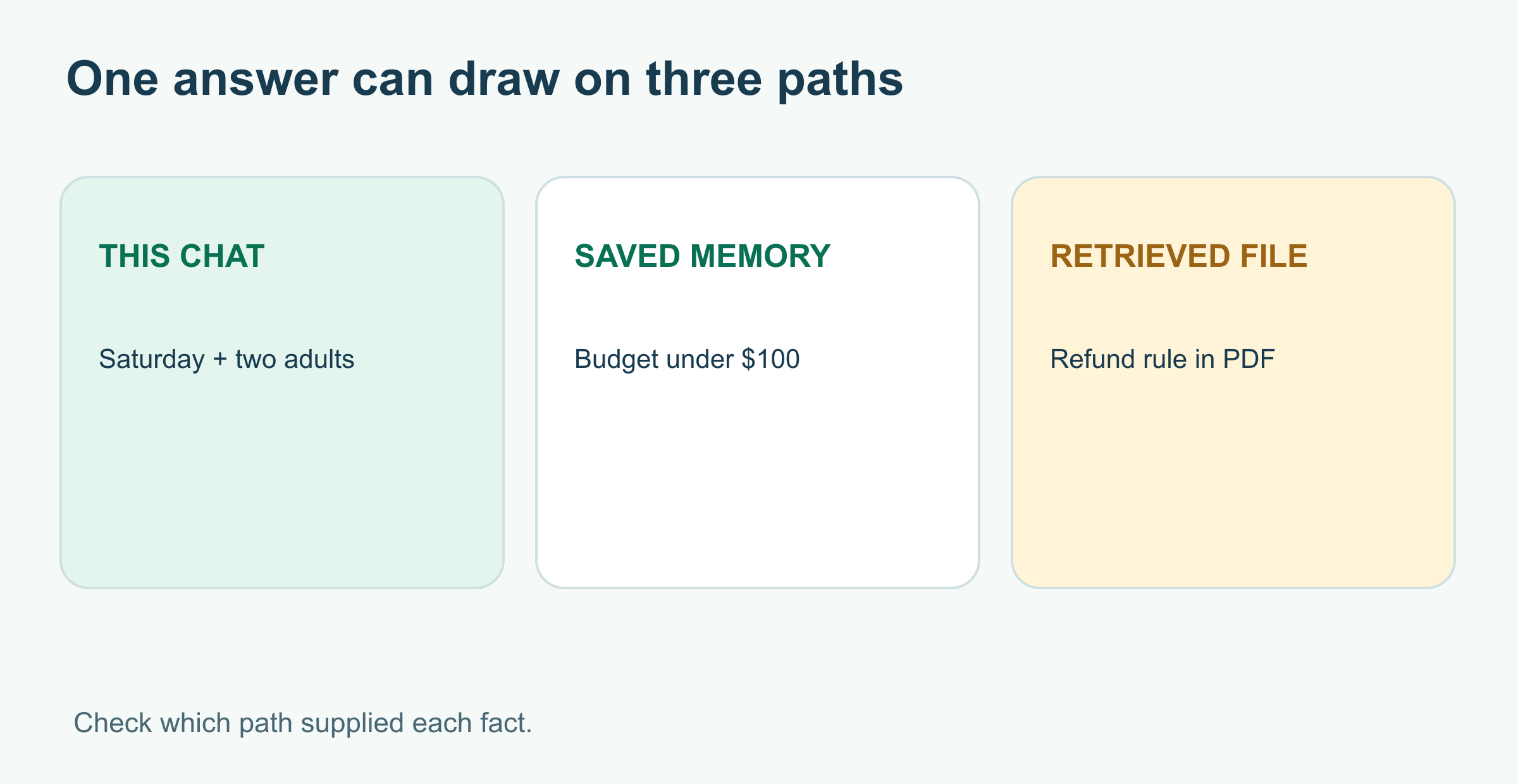
Why does an AI assistant remember a preference but miss a fact from a document? Compare live conversation context, saved memory, and document retrieval with one repeated question.

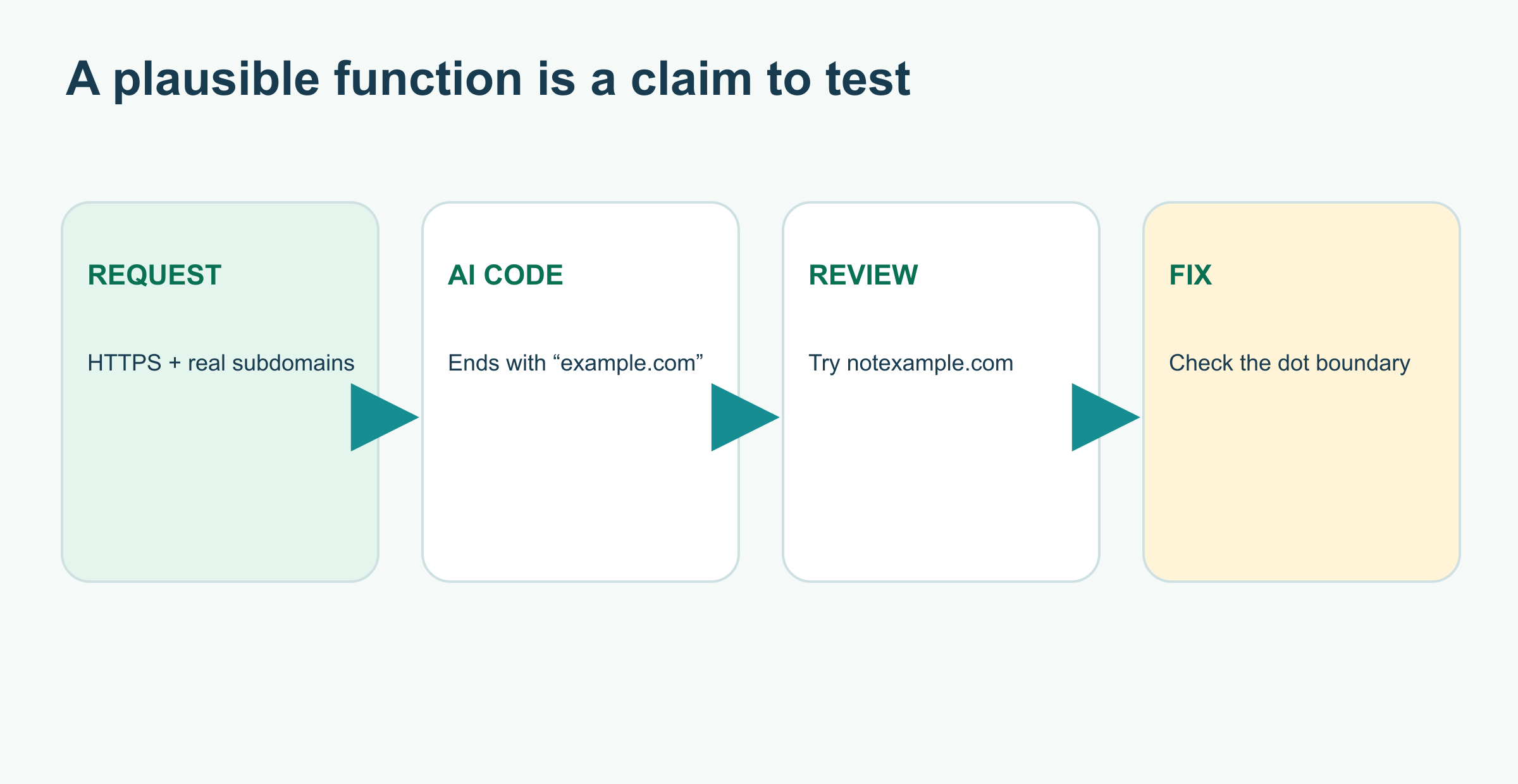
A plausible AI-generated URL check hides a real boundary bug. Reproduce it with Node tests, fix the rule, and use a review workflow that checks behavior, dependencies, and assumptions.

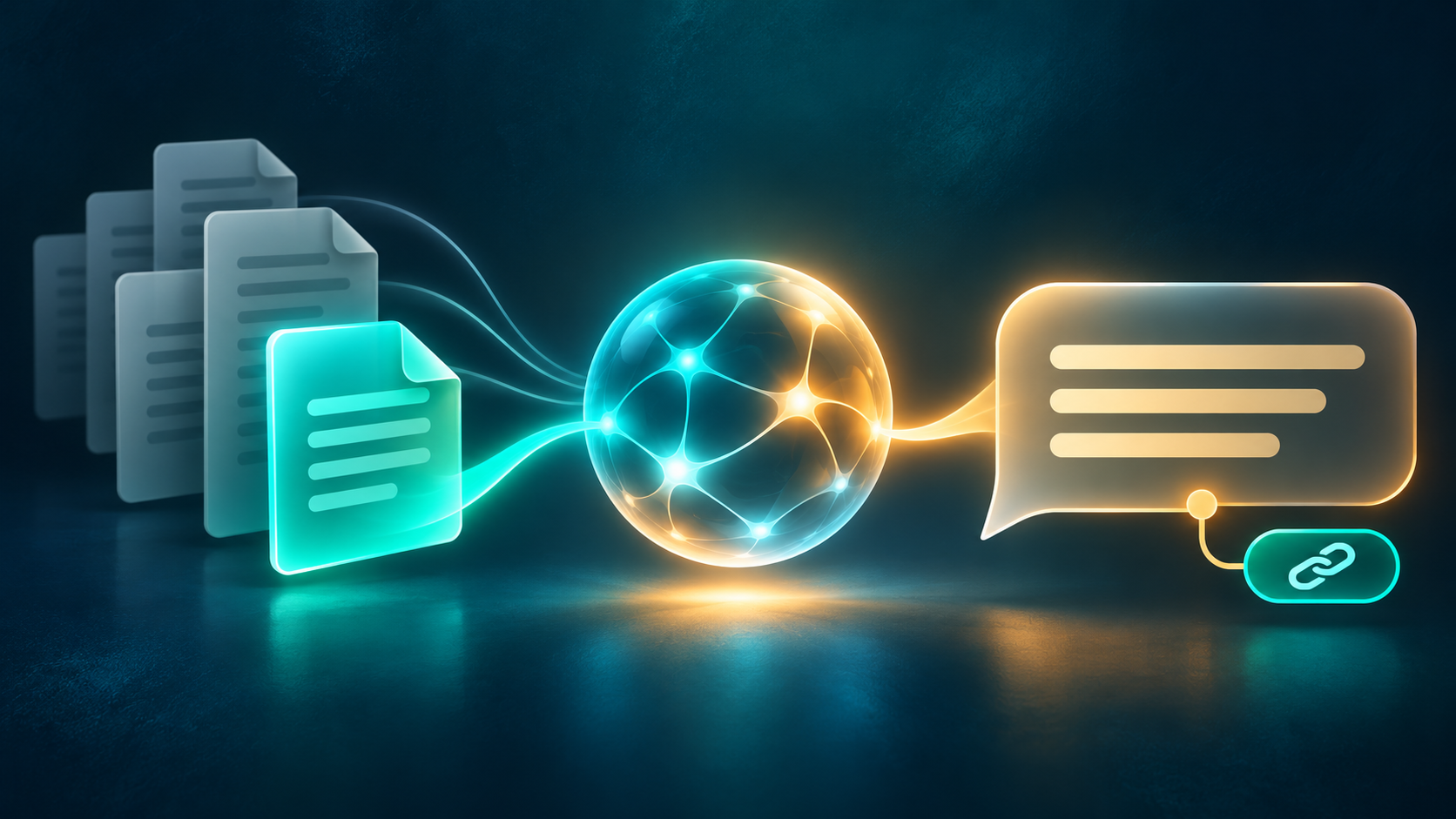
Retrieval-augmented generation lets an AI answer with relevant documents at question time. Follow three fictional policy passages through search, selection, and a source-checked reply.

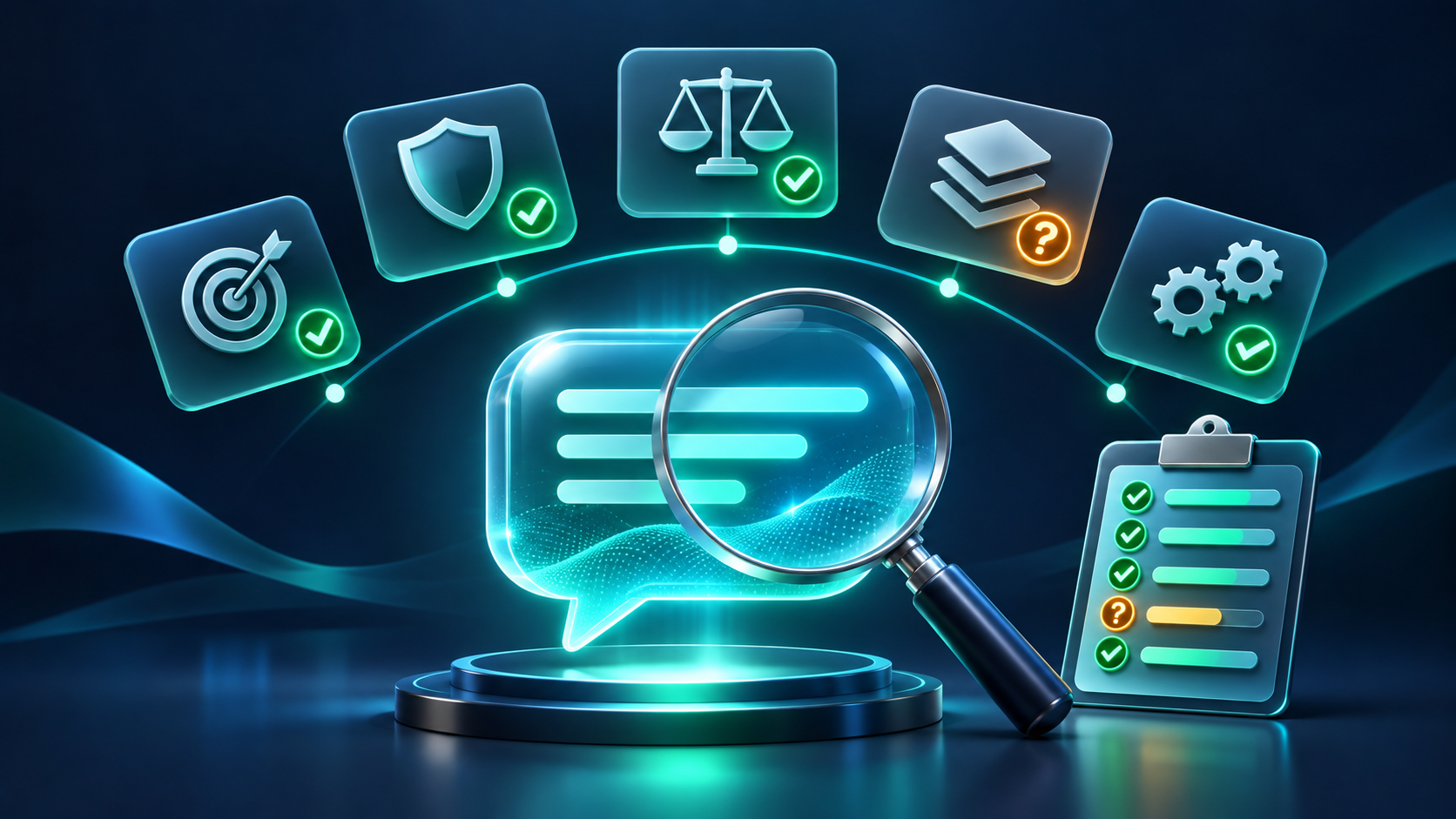
Before trusting an AI assistant, give it a small set of realistic tasks and score what it actually does. Build a five-case test, compare two versions, and learn what the scores miss.

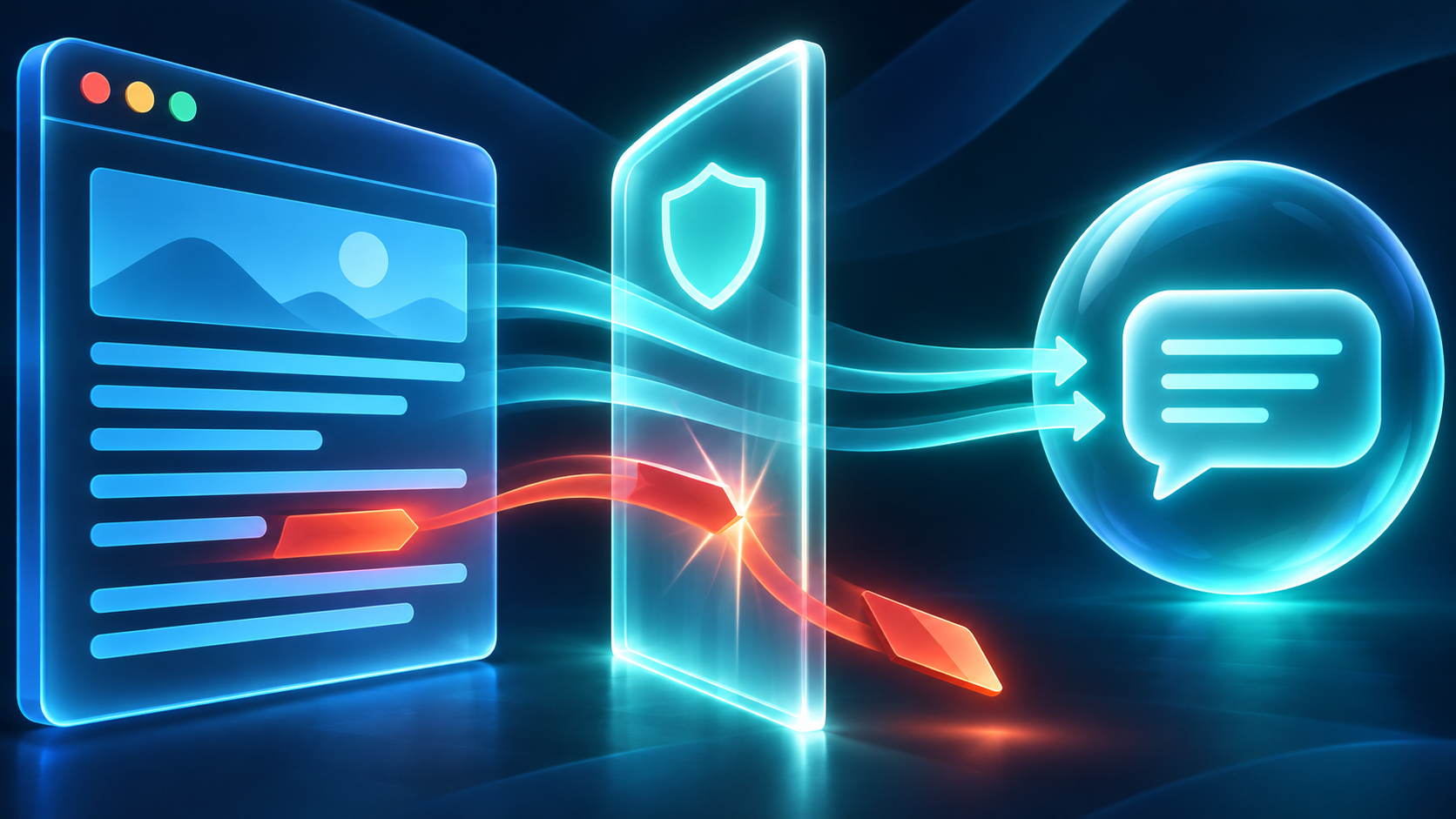
A web page can contain instructions meant for an AI assistant rather than for you. Follow a harmless museum-page example to see the trust boundary and practical safeguards.

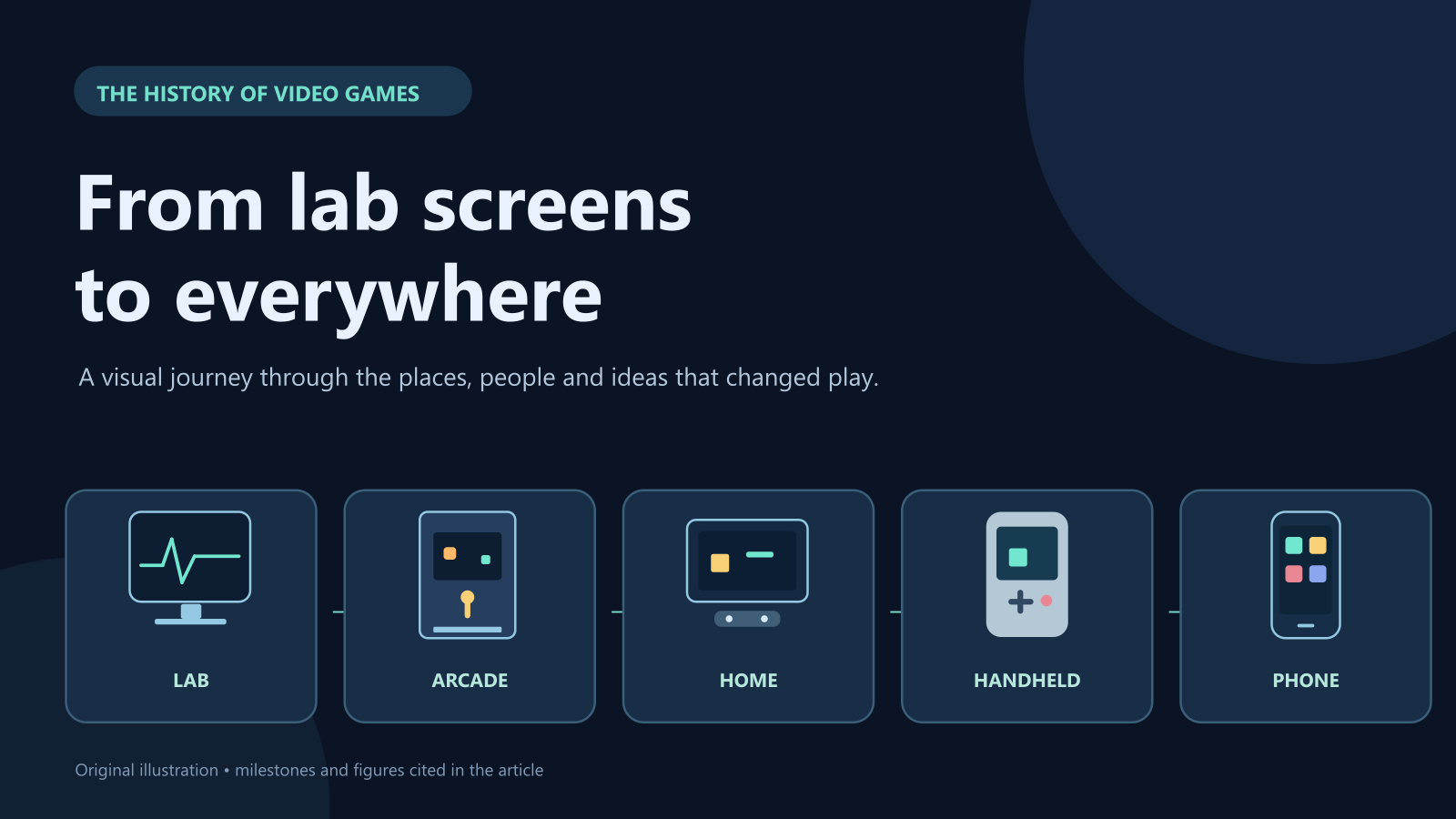
From an oscilloscope tennis match to pocket-sized worlds, follow the inventions, surprises, setbacks, and new places to play that shaped video game history.

Can an AI agent invest for you? Learn what the evidence says, what agents do well, and how to build one safely: levels of trust, an order gate with limits, a kill switch, backtest traps, real experiments, charts, and a path from paper trading to real money.

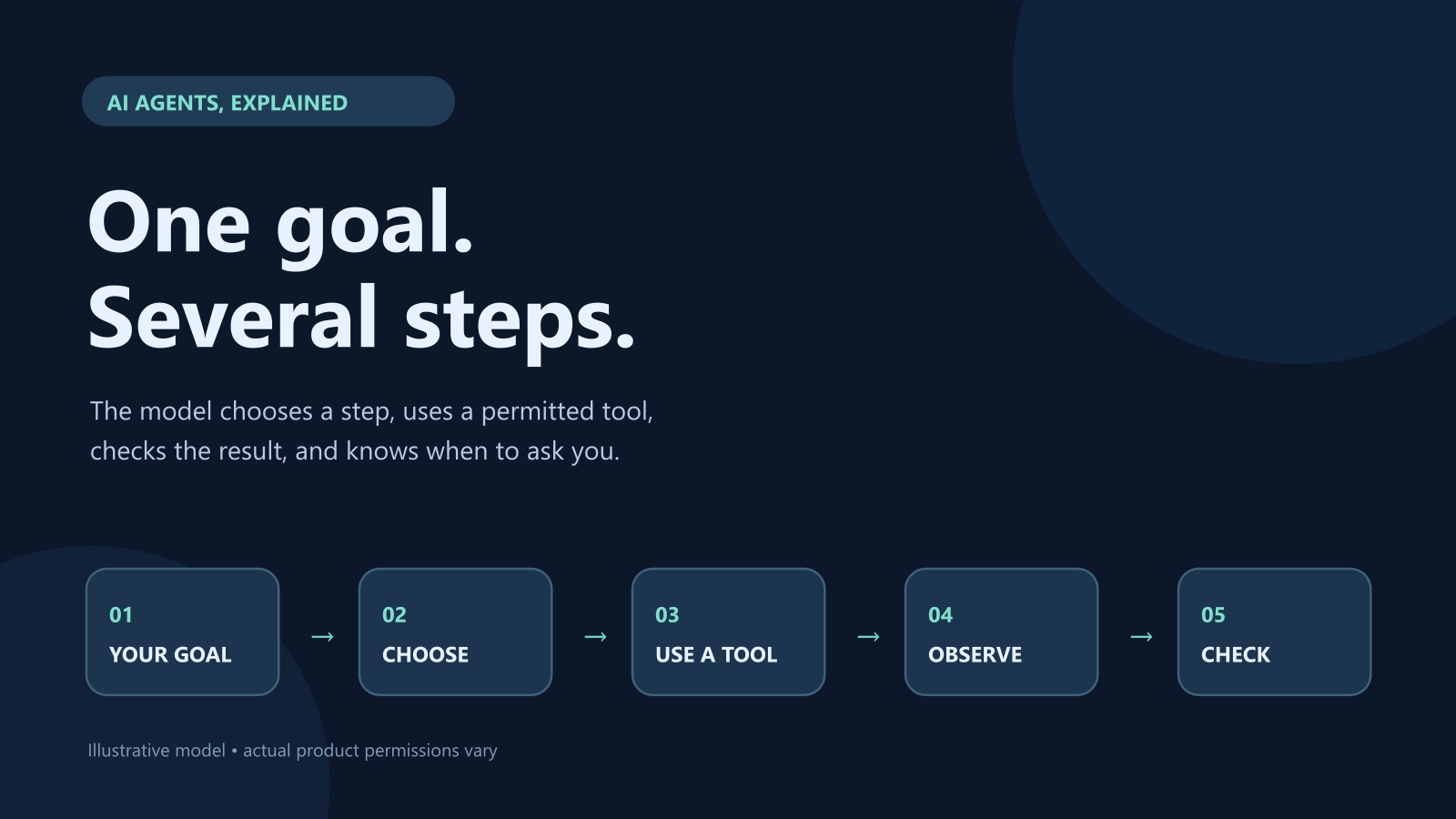
An AI agent can choose steps, use tools, and check its progress. Follow a fictional trip plan to see the agent loop, useful boundaries, and where a person should take over.

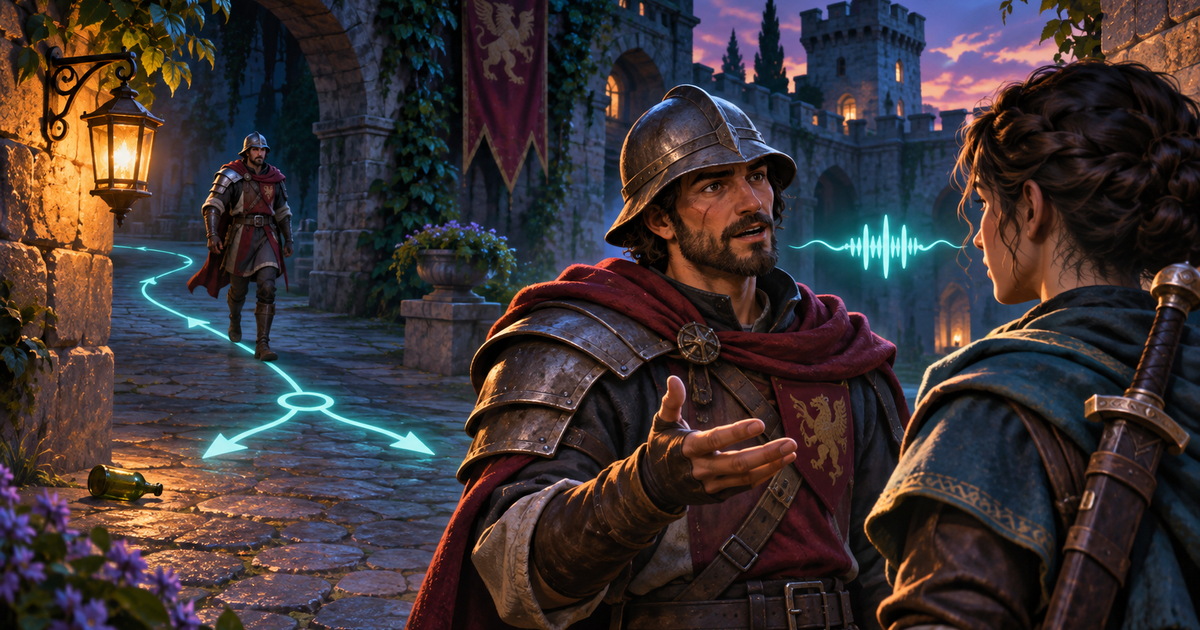
What does AI actually do in a video game? Follow one guard from patrol to pursuit, meet talking NPCs, and see what game workers say about generative AI.

An AI summary can get the total right and still mislead you. Use a small, visual experiment to spot missing groups, unsupported claims, and lost context.

Follow one AI question through an NVIDIA GPU: prompt processing, token-by-token generation, memory, and batching. See a calculated chart of why long chats cost memory.

Learn how Ruby methods receive blocks, pass values with yield, handle a missing block, and return an Enumerator. Build and run your own iterator.

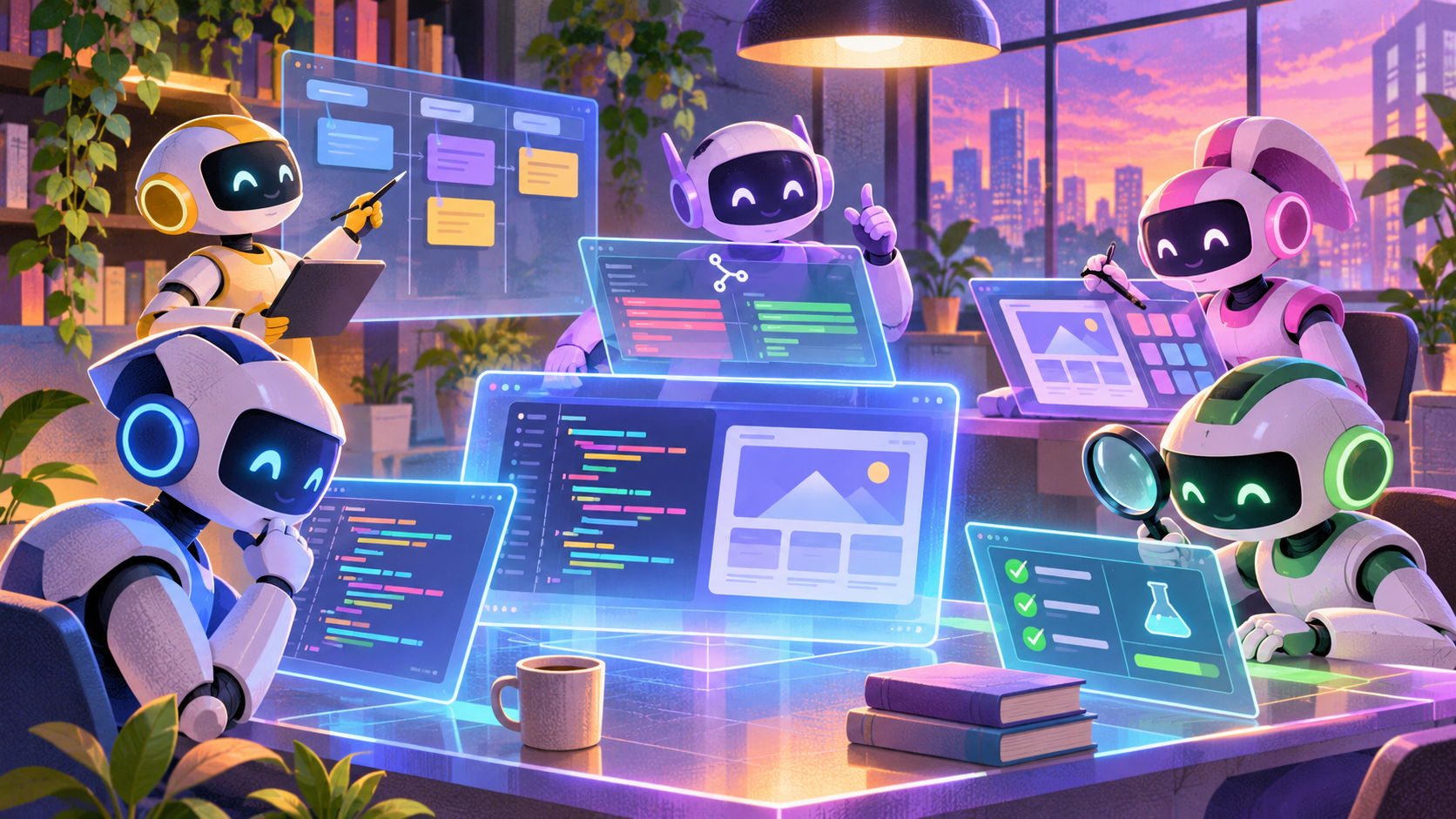
Five AI coding agents, five different ways to build. Compare Claude Code, Codex, Cursor, GitHub Copilot and Google Antigravity with real workflows and a quick chooser.
Showing 1–18 of 138 articles